Kiln Theatre wedding flowers case study before and after
Posted on 21/10/2026
Kiln Theatre wedding flowers case study before and after: a practical guide to the transformation
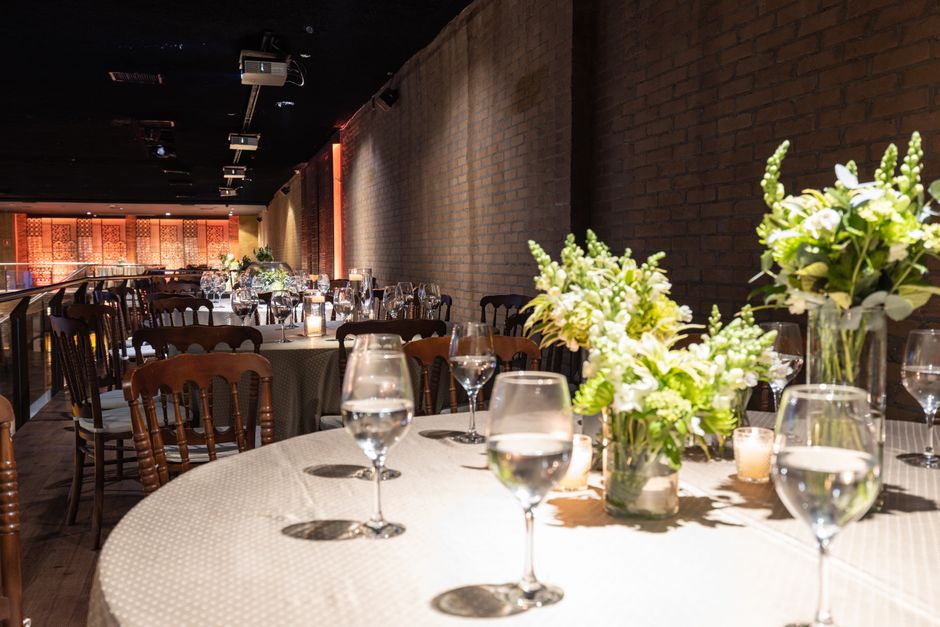
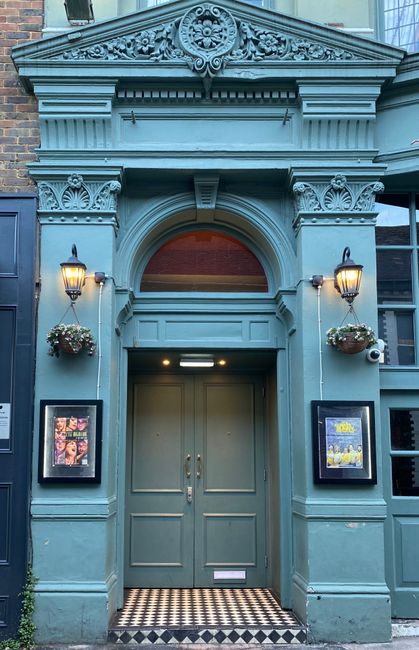
If you are searching for a Kiln Theatre wedding flowers case study before and after, you are probably trying to picture what a real floral transformation looks like in a theatre setting, not just in a studio mock-up. Fair enough. Venue flowers can look beautiful in theory and still fall flat on the day if the scale, lighting, layout, or timing is off. The Kiln Theatre is one of those spaces where the flower design has to do a bit of heavy lifting. It needs to frame the room, soften architectural edges, and still feel elegant from the first guest arrival to the final photo.
In this guide, we look at how a before-and-after approach helps couples and planners assess wedding florals properly, what changes actually matter, and how to avoid common mistakes. You will also find practical planning advice, a comparison table, a checklist, and a realistic example of how a theatre venue floral scheme can be improved without overcomplicating it. If you are comparing bouquet styles, table arrangements, or ceremony flowers, this should help you make sense of the options.
One quick note: every wedding is different, and venue requirements can change. So this is best used as a planning framework rather than a fixed formula. That said, it is a very useful one.
Why Kiln Theatre wedding flowers case study before and after Matters
A before-and-after floral case study is more than a pretty reveal. It helps you see decision quality. In other words, did the flower choices improve the venue in a meaningful way, or did they simply add more flowers? That sounds obvious, but it is where a lot of wedding planning goes sideways. People often focus on colour first, then forget structure, light, scale, and sight lines.
The Kiln Theatre has its own character, and that is exactly why the before-and-after lens matters. A theatre wedding venue tends to have strong lines, different levels, and areas that can feel visually cool until softened. Flowers can solve that, but only if they are placed with intention. A good transformation should make guests feel the space has been dressed for the occasion, not overdecorated. There is a difference, and you can usually spot it within the first ten seconds of walking in.
For couples, the value is practical. You can compare what the room looked like before the styling, what changed, and which pieces carried the most visual weight. For florists, it is a way to show method, not just taste. And for anyone budgeting carefully, it becomes easier to decide where money has the biggest impact. Do you invest in the ceremony focal point? The bridal bouquet? The reception tables? A solid case study gives you clues.
Truth be told, this is also a confidence tool. Seeing a real progression from plain venue to finished wedding setting helps reduce guesswork. Weddings can be full of guesswork. Flowers should not be one of them.
How Kiln Theatre wedding flowers case study before and after Works
The before-and-after approach starts with an honest view of the venue as it is. That usually means looking at the raw ceremony area, the reception tables, the entrance point, and any standout architectural features. At Kiln Theatre, the eye may be drawn to the stage-like qualities of the room, the depth of the space, and the way guests move through it. Those details matter because flowers need to support the flow, not fight it.
The before stage often shows a venue that feels functional, open, and slightly bare. The after stage should create focus. That could mean a floral arch or ground arrangement at the ceremony point, bud vases or fuller table arrangements for the reception, and coordinated bouquets and buttonholes that tie everything together. In a theatre venue, the best results often come from a layered design rather than one giant statement piece. Layered is a bit of an unglamorous word, I know, but it works.
Here is the basic logic behind the transformation:
- First, establish the visual focal point.
- Next, decide where flowers need to soften or frame the room.
- Then choose a palette that works with the venue light, not against it.
- Finally, repeat a few floral elements so the design feels coherent across the day.
That last part is easy to miss. A bouquet can be gorgeous on its own and still feel disconnected if it has nothing in common with the tables or ceremony area. The best after-shots show continuity. You should be able to glance from one photo to another and recognise the same floral language.
If you are planning a wedding locally, browsing wedding flowers in Kilburn can help you compare styles that suit both intimate and more formal celebrations. You may also want to look at the broader weddings collection for matching pieces that work together properly.
Key Benefits and Practical Advantages
The strongest benefit of a before-and-after floral case study is clarity. You can see what changed and why it changed. That gives you a better basis for decisions than scrolling through random inspiration images. A good theatre wedding design should answer a few quiet questions at once: Where do guests look first? What feels empty? What needs contrast? What should stay calm?
Some of the practical advantages are straightforward:
- Better budgeting: You can see which floral areas have the most impact, so you do not overspend everywhere.
- Clearer style direction: It is easier to choose between romantic, modern, classical, or mixed designs when you see the room transformed.
- Improved venue fit: Theatre spaces respond well to scale and symmetry, and the right flowers can make that work beautifully.
- Stronger photography: The ceremony backdrop, aisle accents, and table flowers all help the photos feel finished.
- Less last-minute doubt: Couples tend to feel calmer when they can visualise the end result early.
There is also a subtler benefit: flowers change how people experience the room. Before the styling, the venue may feel like an event space. Afterward, it feels like your celebration. That emotional shift matters. Guests may not articulate it, but they absolutely notice it.
In our experience, one of the smartest ways to improve value is to reuse floral elements across the day. For example, a ceremony arrangement can later frame a top table or entrance feature. That sort of planning keeps the design cohesive and reduces waste. Handy, really.
Who This Is For and When It Makes Sense
This kind of case study is useful for several types of readers. If you are a couple planning a wedding at Kiln Theatre, it helps you understand what is achievable in the space. If you are a wedding planner or stylist, it helps you communicate the design story to clients. If you are simply comparing flower suppliers, it gives you a realistic picture of what a venue transformation should look like from start to finish.
It makes the most sense when you are:
- trying to choose a floral style for a theatre or performance venue
- deciding how many arrangements you actually need
- comparing ceremony-only flowers with full day styling
- looking for inspiration that feels more practical than Pinterest-perfect
- budgeting for a wedding and wanting to prioritise the important pieces
It is also useful if you are planning a smaller celebration. Small weddings can still look spectacular, but only if the flowers are proportioned well. A modest arrangement can feel luxurious in the right spot, while an oversized one can dominate the room a bit awkwardly. A wedding venue like Kiln Theatre rewards balance, not excess.
If you are working to a tighter budget, it may help to compare styles within the budget-friendly flower range and the more elevated options in luxury flowers. Seeing both side by side often makes the decision clearer than you expect.
Step-by-Step Guidance
Planning a wedding flower transformation is much easier if you break it into stages. Here is a practical approach that works well for theatre venues.
- Walk the space as a guest would. Notice where the eye lands first. Entrance, aisle, stage, and tables all matter.
- Identify the venue's natural strengths. Does the room already feel dramatic? Warm? Clean and minimal? Flowers should build on that, not cover it up.
- Choose the main floral role. Do you want the flowers to frame the ceremony, create romance, or bring colour into a neutral room?
- Select a palette that suits the light. Some shades pop beautifully in theatre lighting; others can feel too dark or washed out.
- Match the bouquet to the venue styling. The bridal bouquet, bridesmaid bouquets, and buttonholes should feel connected to the room design.
- Plan the after-use of key arrangements. Ceremony florals may be repurposed for the reception. That is often a smart move.
- Check practical logistics. Delivery timing, set-up access, and venue rules matter more than people realise.
A lot of couples jump straight to bouquet inspiration. Understandable, because bouquets are lovely and easy to picture. But if the venue styling is off, even the nicest bouquet can feel like it belongs to a different wedding. Start with the room. Then build outward.
If you want a coordinated floral look, the I Cherish You wedding collection and the White Wonders wedding collection are both useful references for matching bouquets, bridesmaid pieces, and ceremony accents with a consistent feel.
Expert Tips for Better Results
Little choices make a big difference. That is especially true in a venue like Kiln Theatre, where the architecture already does some of the visual work. The florist's job is to make the flowers feel integrated, not pasted on.
Here are some expert-level details worth paying attention to:
- Work with scale, not against it. A large space needs enough floral presence to register in photos and in person.
- Repeat key blooms. Repetition creates calm. It makes the whole day feel designed, not assembled.
- Use contrast carefully. Pale flowers against darker surroundings can look elegant; too much contrast can look scattered.
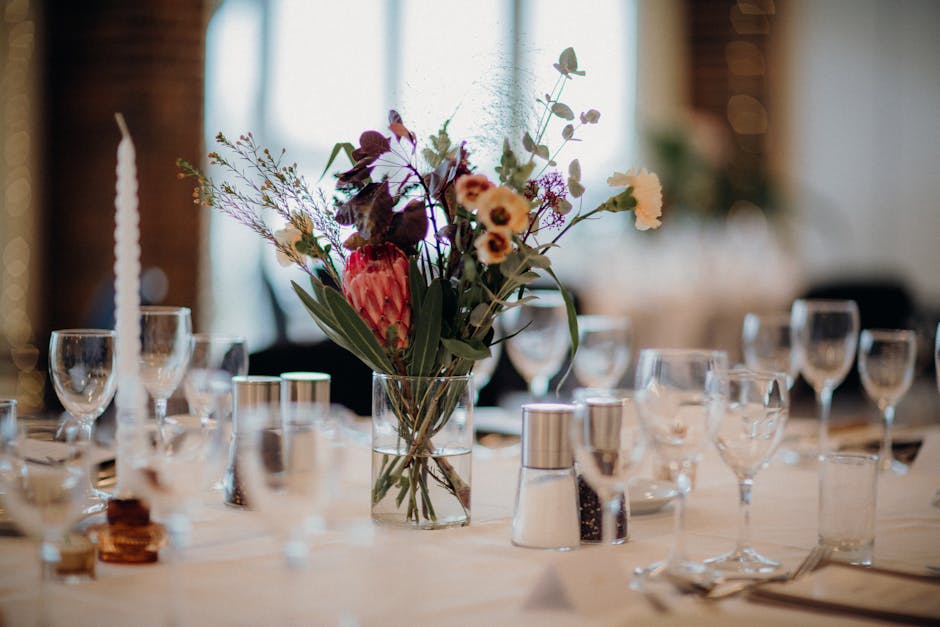
- Consider texture as much as colour. Roses, lisianthus, orchids, and hydrangeas all behave differently visually.
- Keep one element slightly unexpected. A soft trailing detail or a stronger accent bloom can stop the design from feeling too safe.
A small but useful tip: look at the venue in daylight and again under evening lighting if you can. Flowers can change character quite dramatically. White flowers may glow in one setting and flatten in another. Deep colours may feel rich in daylight but very heavy later on. It sounds a bit technical, but it is just the practical side of making things look lovely when the music starts and the room gets warmer.
For white-led designs, pieces such as the white roses wedding arrangement or the white lily, rose and orchid wedding centrepiece can work well in a theatre setting because they read clearly in photos without shouting for attention. If you prefer a softer romantic tone, the Pure Romance wedding collection is worth a look too.
Expert summary: The best Kiln Theatre wedding flowers do not try to overpower the venue. They clarify it. That means choosing the right focal points, using repetition wisely, and making sure the room feels dressed rather than crowded.
Common Mistakes to Avoid
There are a few easy traps in venue flower planning, and they come up again and again. Nothing disastrous, just the sort of thing that quietly weakens the result.
- Choosing flowers before checking the room. The venue should influence the design, not the other way around.
- Overloading every surface. Not every table needs a large arrangement. Some spaces breathe better with smaller floral touches.
- Ignoring sight lines. Tall designs can block conversation and photos if they are not placed carefully.
- Forgetting transport and timing. Wedding flowers are living materials. They need sensible handling, especially in warmer months.
- Mixing too many styles. A bit of variety is fine. Too much and the scheme starts to feel disconnected.
Another common issue is assuming that the most expensive option automatically looks best. It does not. A thoughtful medium-sized design often outperforms an overstuffed one. Honestly, that is true for a lot of weddings. Simpler, if done well, can be much stronger.
There is also the temptation to copy a photo without adjusting for venue shape. A design that looks beautiful in a grand hall may look too sparse in a theatre, or too heavy in a smaller room. Always adapt the inspiration to the actual space. Always.
Tools, Resources and Recommendations
You do not need a huge toolkit to plan good wedding flowers, but a few simple resources make the process much smoother. Start with a venue floor plan if you can get one. Even a rough sketch helps you map where the ceremony point, tables, entrance, and photo moments will be.
Useful planning resources include:
- Colour swatches: Helpful for matching flowers to dresses, linen, and venue details.
- Photo references: Choose a small set of examples that reflect the atmosphere you want.
- Budget notes: Keep a separate list for must-have items and nice-to-have extras.
- Delivery plan: Make sure the florist and venue have the same set-up timeline.
- Care guidance: Use practical flower-care advice for anything arriving early or needing staged display.
If you want supporting guidance on freshness and handling, the flower care page can be a helpful reference. For general purchasing and fulfilment information, the delivery and payment pages are useful background reading before you finalise an order.
For couples who want to keep the rest of the celebration visually consistent, browsing the all flowers section can help you see how wedding choices sit alongside everyday bouquets and gift arrangements. Sometimes that broader picture makes the wedding selection feel less overwhelming. Which, let's face it, is welcome.
Law, Compliance, Standards, or Best Practice
For wedding flowers, the main compliance issues are usually practical rather than heavily regulated. Even so, best practice matters. Venue access, public safety, transport arrangements, and set-up permissions should be respected. If the flowers are being installed in a theatre or event venue, the florist should work within the venue's own rules about timings, access routes, and any restrictions on fixtures or displays.
It is also sensible to consider environmental and waste practices. Many couples now prefer designs that can be reused across the day, donated where appropriate, or planned with less waste in mind. That is not a formal legal point in every case, but it is good practice, and it usually leads to cleaner decisions anyway.
Other points to keep in mind:
- Use only reliable delivery and set-up arrangements so arrangements arrive in good condition.
- Make sure any hired or reusable items are clearly agreed in advance.
- Confirm what the venue allows before planning installation-heavy designs.
- If you have allergies or fragrance sensitivities, mention them early. Better to be safe than sorry, really.
For general business transparency, it is worth reviewing the site's terms and conditions, returns and refund, and privacy policy pages before placing any order. Those pages do not replace wedding planning, of course, but they do support a smoother process and fewer surprises.
Options, Methods, or Comparison Table
One of the easiest ways to choose your wedding flowers is to compare the common methods side by side. Different approaches suit different budgets, venues, and priorities. Here is a simple comparison to help you think it through.
| Approach | Best for | Strengths | Trade-offs |
|---|---|---|---|
| Small coordinated set | Intimate weddings, tighter budgets | Clean, elegant, easy to manage | Less visual impact in a large theatre space |
| Ceremony-focused styling | Couples who want a strong focal point | Creates a memorable before-and-after reveal | Reception may need separate styling |
| Full venue floral styling | Couples wanting a polished, immersive look | Most cohesive and photogenic | Usually the highest-cost option |
| Reuse-based design | Budget-conscious couples, practical planners | Efficient, sustainable, good value | Needs careful logistics and timing |
In many cases, the best answer is a hybrid. Use stronger flowers where the room needs impact, then keep supporting areas simpler. That gives you visual payoff without turning the venue into a flower show. Nice, but not too much. That balance is the trick.
For style references, bridal pieces like the Perfect Match bridal bouquet, Sincerely Yours bridal bouquet, or Everlasting Love bridal bouquet can help you compare fuller, softer, and more modern floral looks.
Case Study or Real-World Example
Let's look at a realistic example of how a Kiln Theatre wedding flowers transformation might be approached. Imagine a ceremony space that feels polished but spare. The room has strong architectural lines, good natural structure, and enough width for guests, but visually it reads a little cool at first glance. Nothing wrong with it. It just needs warmth.
Before: The ceremony area has clean sight lines, empty corners, and a neutral feel. Tables are set, but they do not yet draw attention. The room looks ready, not dressed.
After: A floral focal point is added at the ceremony space using a refined palette of whites and soft greens. The bouquet style is repeated in the table arrangements so the scheme feels connected. Bridesmaid bouquets and buttonholes echo the same bloom selection, while one or two larger arrangements soften the main visual lines in the room. Suddenly, the space feels calm, elegant, and intentional.
What changed? Not just the amount of flowers. The transformation came from placement, proportion, and repetition. That is what tends to make a case study useful. You can see which parts of the design carry the atmosphere and which parts simply support it.
If the couple wanted something more romantic and colour-rich, the same room could be styled differently. Think soft pinks, deeper reds, or mixed seasonal colour, with the flowers used to create depth rather than just decoration. Collections such as True Happiness or Pure Romance bridesmaid bouquet can be good references when you want a softer, expressive finish.
The important point is that the best after result does not need to be loud. It needs to feel complete. That is the part couples remember when they walk in, pause for a second, and think, yes, this is it.
Practical Checklist
Use this checklist when planning your own venue flower transformation.
- Confirm the venue layout and access times
- Decide which floral areas matter most: ceremony, tables, entrance, or all three
- Choose a clear colour palette
- Match bouquet styles to the venue design
- Check whether arrangements can be reused later in the day
- Review delivery and set-up timing
- Ask about any venue restrictions on candles, fixtures, or installation
- Think about photo angles and guest sight lines
- Keep at least one strong focal point in the room
- Choose blooms that suit the season and the lighting
- Confirm final quantities before the wedding week
- Leave room in the plan for a small last-minute adjustment, just in case
If you are coordinating more than just the flowers, it can also help to compare gifts and add-ons in the wedding gifts section, especially if you want everything to feel neatly tied together for the couple or bridal party.
Key takeaway: a strong before-and-after floral design for Kiln Theatre is not about using the most flowers. It is about using the right flowers in the right places so the venue feels elevated, coherent, and unmistakably yours.
Conclusion
A Kiln Theatre wedding flowers case study before and after is most useful when it shows more than decoration. It should show structure, atmosphere, and practical thinking. If the venue looked open or plain before, the right flowers should bring focus without clutter. If the room already had character, the styling should deepen it rather than compete with it.
That is the heart of good wedding floristry: making people feel something the moment they arrive, while still keeping the day organised and workable. A good florist will think about scale, light, logistics, and the path guests actually walk. A very good one will make it all look effortless. That bit is deceptive, of course. Behind the scenes, there is a lot going on.
If you are planning your own celebration, start with the room, then build the flowers around the feeling you want. It is a calmer way to plan, and it tends to produce better results. A lovely one, too.
Get a free quote today and see how much you can save.
Frequently Asked Questions
What does a Kiln Theatre wedding flowers case study before and after usually show?
It usually shows how the venue looked before styling, then how flowers changed the atmosphere, focal points, and overall finish. The most useful examples show placement, scale, and colour choices rather than just close-up bouquet photos.
Why is a before-and-after flower example useful for wedding planning?
Because it helps you judge impact. You can see which arrangements make the biggest visual difference and avoid spending on flowers that do not really change the room.
What flowers work well in a theatre wedding venue?
That depends on the season and colour scheme, but roses, lisianthus, orchids, hydrangeas, and mixed seasonal blooms are often effective because they can look refined and photograph well under varied lighting.
How many floral arrangements do I need for a venue like Kiln Theatre?
There is no fixed number. Most couples decide based on the ceremony focal point, table styling, entrance details, and bridal party flowers. A smaller wedding may need fewer pieces, while a full venue makeover needs more coordinated elements.
Can wedding flowers be reused from the ceremony at the reception?
Yes, often they can. Reuse is one of the smartest ways to manage budget and waste, as long as the florist and venue plan the timing properly.
Is it better to choose white flowers or colour for a theatre venue?
Both can work. White feels clean, elegant, and timeless, while colour can bring warmth and personality. The right answer depends on the venue lighting and the mood you want.
What is the biggest mistake couples make with venue flowers?
Choosing flowers without thinking about the room. If the scale or placement is wrong, even beautiful blooms can feel disconnected from the venue.
Do I need a full floral package, or can I just book a bouquet?
You can absolutely just book a bouquet if that suits your wedding style and budget. But if you want a true before-and-after transformation, you will usually need at least some venue styling as well.
How far in advance should wedding flowers be planned?
As early as possible, especially for popular wedding dates. Early planning gives you more time to confirm style, quantities, access arrangements, and any venue-specific requirements.
What should I ask a florist before booking wedding flowers?
Ask about venue experience, delivery timing, set-up support, flower availability, and whether arrangements can be repurposed later in the day. It is also sensible to ask how the florist handles changes closer to the date.
Are there any compliance issues to think about for a theatre wedding venue?
Yes, mainly venue access, set-up timing, safety rules, and any restrictions on displays or installation. The florist should always work within the venue's guidance and coordinate carefully with the event team.
Where can I compare wedding flower styles before I decide?
You can compare coordinated looks across wedding collections, bridal bouquets, bridesmaid pieces, and table arrangements. That makes it much easier to choose a style that works as a whole rather than in isolated parts.